
The SEO Strategy Most Websites Ignore
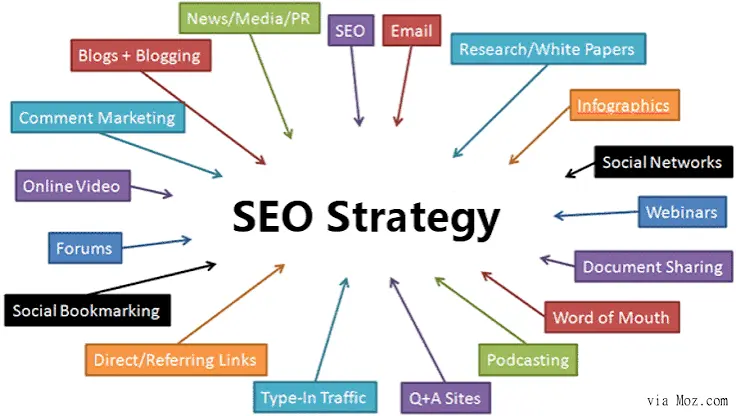
Internal linking is one of the most underutilized SEO strategies in Dubai. While most businesses focus on building backlinks from external websites, they neglect the power of linking their own content together. This guide will show you how mastering internal links can dramatically improve your website's SEO performance and user experience.
What Are Internal Links?
Internal links are hyperlinks that point from one page on your website to another page on the same website. Unlike external links (backlinks) that come from other domains, internal links keep users within your site. They help search engines understand your site's structure, distribute authority, and help users navigate your content.At Perfect Web Group, we consider internal linking a cornerstone of our digital marketing services. A well-structured internal linking strategy can significantly boost your search rankings without acquiring a single new backlink.
Why Internal Linking Matters for SEO
1. Distributes Link Authority (PageRank)
When you link from a high-authority page to another page, you pass some of that authority. This helps search engines understand which pages are most important. For example, if your home page has high authority, linking to your service pages passes some of that value.
2. Improves Crawlability and Indexing
Search engines discover new pages through links. If your new content isn't linked from anywhere, it may never get indexed. A strong internal linking structure ensures all your pages are discoverable and indexed properly.
3. Enhances User Experience and Engagement
Internal links guide users to relevant content, keeping them on your site longer. This reduces bounce rates and increases engagement signals—both positive ranking factors. As we discuss in our web development guide, user experience is critical for SEO success.
4. Clarifies Site Architecture and Topic Clusters
Internal links help search engines understand the relationship between your pages. By creating topic clusters (a pillar page linked to multiple related articles), you signal your expertise on a subject.
Best Practices for Internal Linking
1. Use Descriptive Anchor Text
Anchor text is the clickable text in a hyperlink. Instead of using generic phrases like "click here," use descriptive text that tells users and search engines what the linked page is about. For example, "types of website development" is more informative than "click here."
2. Link Deep, Not Just to Your Home Page
Many websites link primarily to their home page or contact page. Instead, link to deep pages like blog posts, service pages, and case studies. Deep links distribute authority more evenly across your site.
3. Link Contextually, Not Randomly
Links should make sense in context. If you're writing about SEO, linking to a related post on content marketing is relevant. Random links add no value and may confuse users.
4. Use a Reasonable Number of Links
As discussed in our competitor analysis guide, there's no fixed limit on internal links. However, we recommend 3-5 relevant internal links per 500-word post. Focus on quality and relevance rather than quantity.
5. Create Topic Clusters
A topic cluster consists of a pillar page (comprehensive guide) and multiple cluster pages (specific blog posts). Each cluster page links back to the pillar page, and the pillar page links to all cluster pages. This structure signals expertise to search engines.
6. Regularly Audit Your Internal Links
Broken internal links create a poor user experience and waste link authority. Use our free website audit to identify and fix broken links on your site.
Common Mistakes to Avoid
1. Over-Optimizing Anchor Text
Using the exact same anchor text repeatedly can appear manipulative. Vary your anchor text naturally.
2. Linking Too Many Times to the Same Page
While you can link multiple times to the same page, focus on linking from different parts of your content to different pages.
3. Ignoring Internal Links in New Content
Always link new content to existing related content. This helps Google discover and index your new pages faster.
4. Using NoFollow on Internal Links
Never use nofollow on internal links. Google recommends using dofollow for internal links to ensure PageRank flows properly.
Internal Linking for Dubai Businesses
For businesses in Dubai's competitive market, internal linking is a strategic advantage. By implementing a strong internal linking structure, you can:Improve your rankings for local keywordsIncrease lead generation from your blog contentProvide a seamless user experience that converts visitors into customers
Frequently Asked Questions (FAQ)
Q: How many internal links should a blog post have?
A: For a 500-word post, 3-5 relevant internal links are recommended. For longer posts, 5-8 links are appropriate. Focus on quality and relevance, not quantity.
Q: What is the best way to structure internal links?
A: Create a topic cluster structure with a pillar page linking to multiple cluster pages. Use descriptive anchor text and link contextually within your content.
Q: Do internal links pass PageRank?
A: Yes, internal links pass PageRank (link authority) from one page to another. This helps distribute authority across your site and improve overall SEO.
Q: Should I use nofollow on internal links?
A: No. Google recommends using dofollow for internal links. Nofollow should be reserved for external links where you don't want to pass authority.
Comments
Comments appear after admin approval.