
Introduction to Web Audit
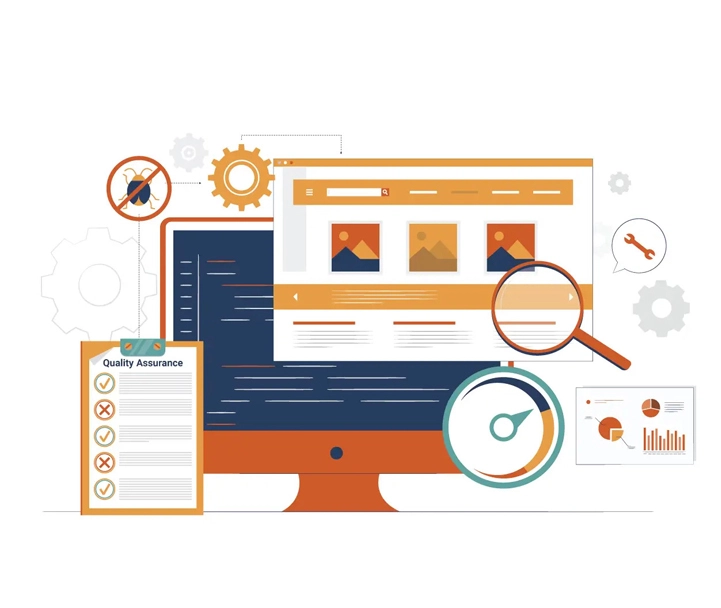
What is a Web Audit?
In today’s digital-first world, your website isn’t just a marketing tool—it’s the welcoming entrance to your business. But is it really performing at its peak? Is it fine-tuned for both search engines and your visitors? That’s where a web audit steps in.
A free web audit is a thorough assessment of how well your website is doing in various areas, such as technical health, SEO, user experience (UX), content quality, security, and more. It reveals hidden problems, spots chances for improvement, and lays out a clear plan for boosting your online presence.
Anatomy of Web Audit Thorough:
A web audit is a thorough examination at evaluating how well a website is performing, functioning, and meeting its goals. It usually covers several key areas:
SEO Audit – This looks at how effectively your site is optimized for search engines, including aspects like keywords, meta tags, backlinks, and how easily search engines can crawl your site.
Technical Audit – This focuses on the behind-the-scenes elements, such as site, mobile responsiveness, broken speed links, and any coding errors that might be lurking.
UX/UI Audit – This part reviews the user experience, including how easy it is to navigate, the readability of the content, and the overall design consistency.
Content Audit – Here, we dive into the quality, relevance, structure, and engagement levels of your content to see how well it resonates with your audience.
Security Audit – This checks for any vulnerabilities, ensures SSL certification from name cheap is in place, looks for outdated plugins, and verifies compliance with data protection regulations.
Accessibility Audit – This ensures that your site is user-friendly for individuals with disabilities and meets accessibility standards like WCAG.
Each of these components plays a crucial role in how your site performs, influencing both traffic attraction and the conversion of visitors into customers.
How Often Should You Audit Thorough Your Website?
It’s a good idea to do a full audit at least once or twice a year. In addition, you might want to carry out smaller, more focused audits—like checking your SEO or site speed—every few months or right before any big campaigns. Here are some key times to consider running an audit:
After launching a new site
Following a significant Google algorithm update
Before kicking off a digital marketing campaign
If you notice a dip in traffic or conversions
Conclusion:
A web audit isn’t just a simple check-up—it’s a powerful tool for your strategy. In today’s competitive online world, making sure your website is up to par means you’re providing users with the best experience possible while also keeping in line with what search engines expect. Whether you’re running a small business, managing marketing efforts, or developing websites, putting time and resources into regular web audits can really boost your site’s performance, increase conversions, and help your business grow faster.
Comments
Comments appear after admin approval.